A sponsored article in an iGaming trade outlet buys you guaranteed visibility with that outlet’s readers, on your timing and in your words. It doesn’t buy you the trust that comes with an editor choosing your story, and if it’s set up properly it shouldn’t pass search ranking value either. Google expects paid links to be marked as such, and UK rules expect paid editorial to be labelled as advertising.
Key takeaways
- Google treats buying links "for ranking purposes" as link spam. Paid links are fine when they’re marked rel="sponsored" or rel="nofollow" (Google Search Central, updated 28 August 2026).
- In the UK, paid content where the brand has editorial control falls under the CAP Code and must be obviously identifiable as advertising, for example labelled "Advertisement feature" (ASA).
- Paid placements suit fixed dates: launches, event previews, hiring. Earned coverage suits credibility and long-term reputation.
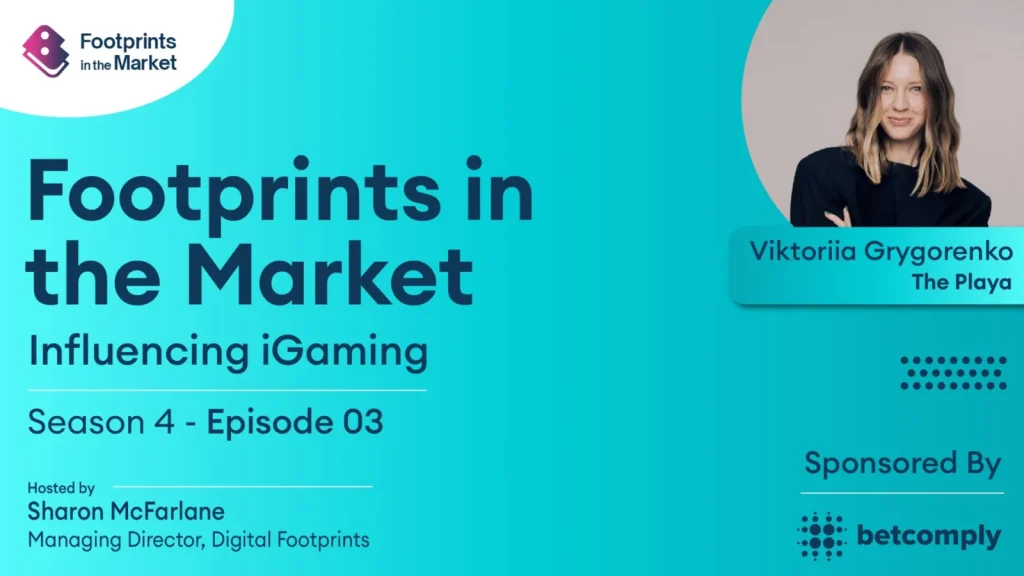
- Good stories still earn coverage for free, as Viktoriia Grygorenko, CEO of The Playa, told Footprints in the Market (S4 E3, March 2026).
What does a sponsored article actually get you?
Paid placement gets you three things: certainty, timing and control. The piece runs when you need it, where your audience reads, with your message intact. That’s valuable before a trade show, alongside a launch, or when you’re hiring.
What it doesn’t reliably get you is the reader’s trust. A labelled advertisement feature reads as the company talking about itself, because that’s what it is. Earned coverage works differently. An editor decided your story was worth their readers’ time, and that judgement is what readers trust.
Do sponsored articles help SEO?
Not through the link, if everyone follows the rules. Google’s spam policies list "buying or selling links for ranking purposes" as link spam. The same page says Google "does understand that buying and selling links is a normal part of the economy of the web", and that such links aren’t a violation as long as they carry a rel="sponsored" or rel="nofollow" attribute (Google Search Central, spam policies, last updated 28 August 2026).
So a correctly tagged sponsored article isn’t meant to pass ranking credit through its link. It can still help indirectly. The people who read it may search for your brand afterwards, and a well-placed piece can lead to earned mentions later. Just don’t buy one expecting it to lift your rankings directly.
How must paid articles be labelled in the UK?
As advertising, clearly and upfront. The ASA’s guidance says that when a brand pays for content and has editorial control over it, the content falls under the CAP Code. CAP Code rules 2.1 and 2.4 then require it to be "obviously identifiable" as marketing, and the responsibility sits with both the marketer and the publisher (ASA, Recognising ads: Advertisement features).
The ASA’s guidance names "Advertisement feature" as an appropriate label, and says "Ad", "Advert", "Advertising", "Advertisement" and "Ad feature" are very likely acceptable if they’re prominent and upfront. It generally advises against "Sponsored".
For anything that promotes gambling, the CAP Code’s gambling rules (Section 16, checked 13 October 2026) apply on top of this, so a paid feature for an operator brand has to meet those rules as well as being labelled.
Before you pay for a placement, ask the publisher:
- What label will it carry, and where? Look for "Advertisement feature" or "Ad", shown upfront, not tucked at the bottom.
- Will links be marked rel="sponsored" or rel="nofollow"? If neither, the link breaks Google’s spam policies, which puts your site at risk.
- Who has the final say on the copy? If you do, it’s advertising under the CAP Code and must read as such.
- Where will it appear, and for how long? A homepage slot for a week is a different product from a page buried in an archive.
- What will you get back? Ask for page views and the referral traffic it sent you, so you can compare it with earned coverage.
Can you get coverage without paying?
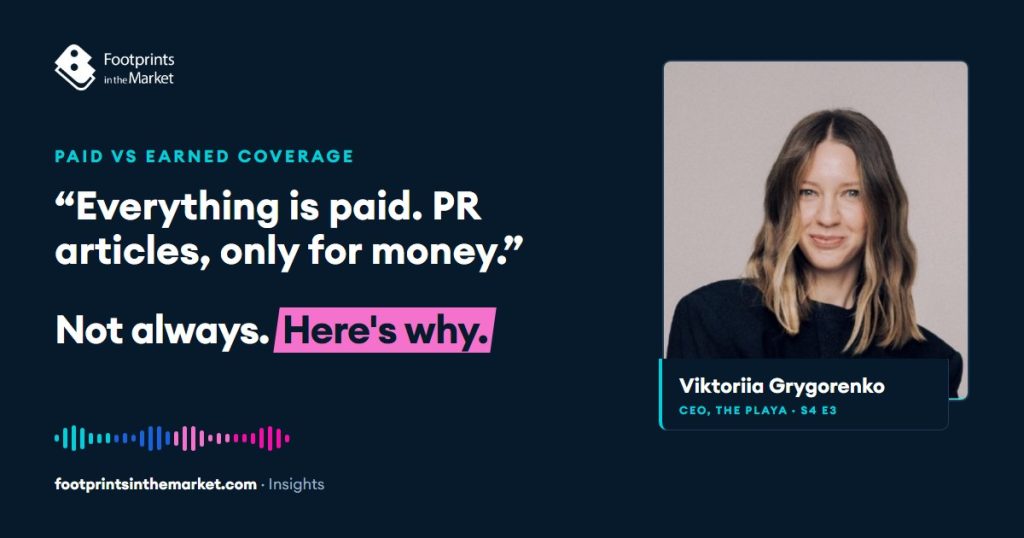
Yes, if you bring something worth covering. Viktoriia Grygorenko, CEO of The Playa, said some of the companies her team first spoke to told them "everything is paid". On Footprints in the Market S4 E3 she said:
"Once we talked to some companies, they told us everything is paid. PR articles, only for money."
Then, in her words, "we tried ways we typically use in other industries":
"So far, we got quite some PR coverage for free, and speaking opportunities as well. I think it depends on whether you have something important and interesting to give."
What tends to earn coverage: original data, a clear opinion on something in the news, a named customer result, or access to someone editors want to hear from.
When to pay and when to pitch
| Situation | Better choice | Why |
|---|---|---|
| Launch or announcement on a fixed date | Paid | You control the timing |
| Event preview before ICE or SBC | Paid, plus pitched interviews | Readers are planning meetings now |
| Hiring push | Paid | Reach matters more than credibility |
| Original research or data | Earned | Editors want new findings |
| A view on a news story | Earned | Speed and opinion are what editors need |
| Building long-term reputation | Earned | Trust builds from independent coverage |
Whichever you choose, measure the same things afterwards: branded search, inbound conversations that mention the piece, and whether operators recall your name when they draw up a shortlist.
The same thinking applies on stage. Our guide to getting a speaking slot at iGaming conferences covers what ICE accepts and why it rejects pitches. For more from the show, browse B2B insights or every episode.
Questions people ask about paid coverage
Who is responsible if a paid article isn’t labelled?
Both sides. The ASA says responsibility for making paid editorial obviously identifiable sits with the marketer and the publisher, so check the label before it goes live.
Does "sponsored" count as a clear enough label in the UK?
The ASA generally advises against relying on "Sponsored" alone. "Advertisement feature" or "Ad" shown prominently and upfront is the safer choice.
Is earned coverage worth more than paid?
For credibility, usually yes, because an editor chose it. For timing and certainty, paid wins. Many brands use both: paid for dates, earned for reputation.
Got a story worth telling? Come on the show.
Sharon McFarlane hosts Footprints in the Market and is Managing Director of Digital Footprints, which works with iGaming trade publications. This post explains how paid placements work in general and doesn’t refer to any one outlet. Last checked 13 October 2026. Meet the team.